
 Facebook
 X
X
 Pinterest
 Copy Link
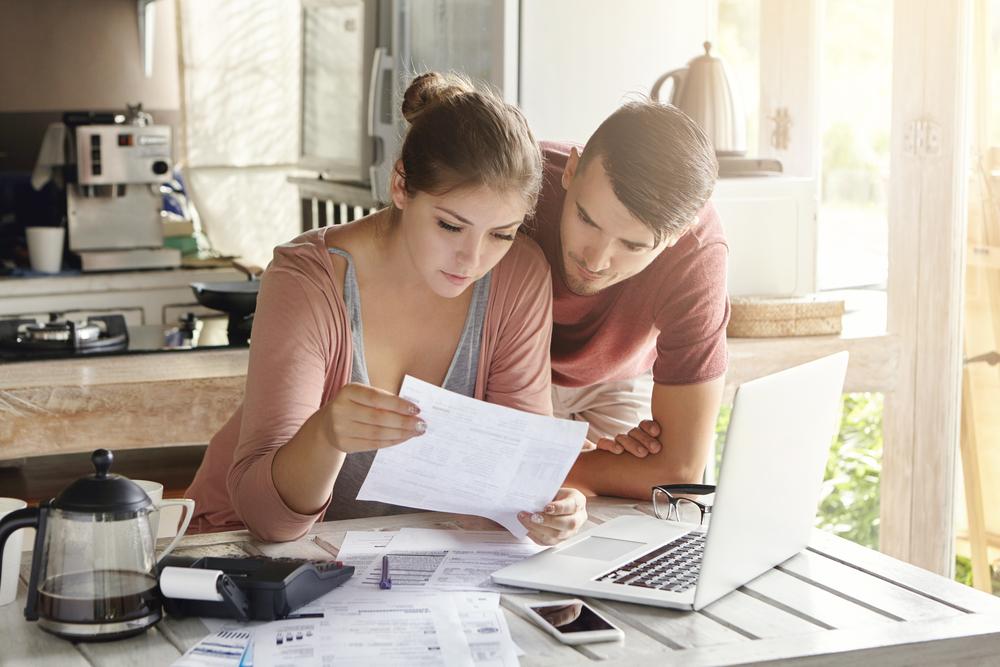
Budgeting for a Home in 2026: What to Know About Saving and Financing
Buying a home is one of the biggest financial decisions many people will make, and in today’s market, preparation matters more than ever. If purchasing a home is part of your plan for 2026, creating a realistic budget—and understanding the full scope of costs involved—is a critical first step.
From saving for a down payment to improving your credit and preparing for closing costs, here’s what buyers should know as they build a smart, confident path toward homeownership.
Planning for Your Down Payment
For many buyers, the down payment is the largest upfront expense—and often the biggest hurdle. While 20 percent down is commonly referenced, it’s not always required.
What buyers should consider:
-
Many loan programs allow for lower down payments, especially for first-time buyers
-
FHA, VA, and other specialized loans may require as little as 3–5 percent down
-
A larger down payment can reduce monthly payments and private mortgage insurance
Start by reviewing your savings and setting a realistic monthly goal. Automating transfers to a dedicated savings account can help make progress more consistent and manageable over time.
Strengthening Your Credit Profile
Your credit score plays a major role in determining your mortgage options and interest rate. Even small improvements can lead to meaningful long-term savings.
Steps buyers can take now:
-
Pay bills on time and reduce outstanding balances
-
Avoid opening new credit accounts before applying for a mortgage
-
Check your credit report for errors and address them early
-
Keep credit utilization low whenever possible
Improving credit takes time, so starting early gives you more flexibility when it’s time to apply for financing.
Understanding Closing Costs and Ongoing Expenses
Beyond the down payment, buyers should be prepared for closing costs and other expenses that come with homeownership.
Common costs to budget for include:
-
Loan origination and appraisal fees
-
Title insurance and attorney fees
-
Home inspections
-
Property taxes and homeowners insurance
-
Initial maintenance or repair costs
Closing costs typically range from 2 to 5 percent of the home’s purchase price, so factoring them into your budget early can help avoid last-minute surprises.
Exploring Financing Options
Not all mortgages are the same, and understanding your options can help you choose the right fit for your financial situation.
Buyers may want to explore:
-
Fixed-rate versus adjustable-rate mortgages
-
First-time buyer programs and grants
-
Local or state assistance programs
-
Pre-approval to clarify buying power and strengthen offers
Working with a knowledgeable lender and real estate professional can help you navigate these choices and align them with your long-term goals.
The Bottom Line
Budgeting for a home in 2026 is about more than just saving—it’s about planning with intention. By understanding down payment options, strengthening your credit, preparing for closing costs, and exploring financing solutions early, buyers can position themselves for a smoother and more confident homebuying experience.
If you’re thinking about buying this year, now is the time to start the conversation and build a plan that supports both your financial goals and your future home.
